


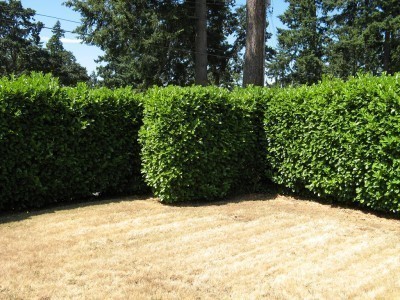
Living screens outperform fences aesthetically and ecologically. Layered plantings—small trees back, shrubs middle, flowers/grasses front—create effective, attractive barriers for privacy, wind, or noise.
Evergreen shrubs (boxwood, juniper, English holly) work in tight areas. Hedges screen well but need regular pruning. Alternatives: trellised vines, container plantings (small trees, tall grasses, bamboos), or layered pots on patios.
Plants cost less than hardscape and offer seasonal change. Whether mixed borders, formal hedges, or potted screens—if it achieves the goal beautifully, it works. Plan creatively for multi-purpose screening.
Balancing Light Intensity and Heat for Highland Nepenthes in Terrariums
Flourishing Garden Secrets: Expert Tips for Spectacular Results
Companion Plants for Marigolds in Containers: Best Combinations
Soil Health Equals Plant Health: Restoring Your Garden's Living Foundation
Starting a Home Vegetable Garden: From Planning to Harvest
Landscaping with Native Grasses and Woody Plants: Low-Maintenance Beauty
Foundation Plantings for a Connecticut Colonial: Evergreen, Compact, Non-Toxic
Grow Plants Year-Round with LED Grow Lights
DIY Landscaping Ideas for Year-Round Curb Appeal
Designing with Native Wildflowers: Low-Maintenance, High-Impact Gardens
Creative Ways to Plant a Strawberry Jar: Herbs, Flowers & More
Working with Foliage in Garden Design: Contrast, Form, and Year-Round Interest
Perfect Rose Companions: 7 Plant Partners for Healthier, More Beautiful Roses
Copyright © www.100flowers.win Botanic Garden All Rights Reserved