


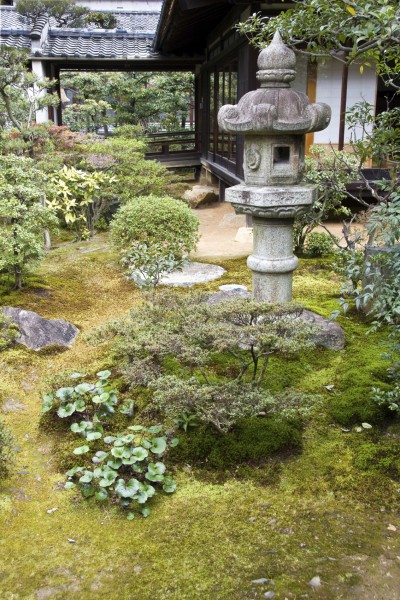
A Zen garden (karesansui) is not a plant collection—it’s a composed scene of raked gravel, carefully placed rocks, and minimal vegetation, designed to focus the mind. It values naturalness (shizen), simplicity (kanso), and austerity (koko).
A Zen garden is never finished. It’s a daily dialogue between hand, eye, and stone.
Designing a Japanese Garden Theme for Weddings and Events
How to Build a Raised Garden Bed: A Complete DIY Guide
Create Your Own Secret Garden: A Sanctuary of Beauty and Peace
Creating a Balcony Garden: Container Gardening for Apartment Dwellers
How to Design a Japanese Herb Garden: Research and Resources
Purple Garden Design: Royal Hues from Lilac to Near-Black
Design a Charming Cottage Garden: Plants, Structures & Style Tips
How to Create an Organic Vegetable Garden Plan
Create a Backyard Oasis: Garden Pond Design & Ecology
Creating a Zen Garden: Design Principles for a Peaceful Sand and Stone Retreat
Small Japanese Viewing Gardens: Design Principles and Aesthetic Balance
Create a Magical Nightscape Garden for Evening Enjoyment
Jewish Biblical Garden: The Seven Species & Symbolic Plants
How to Create a Wildlife Garden: Attract Birds, Butterflies, and Beneficial Creatures
Copyright © www.100flowers.win Botanic Garden All Rights Reserved