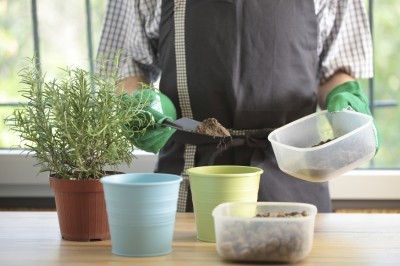
Starting a container garden? The supply list is short, but choosing right saves money and frustration. Here's exactly what you need—pots, soil, tools, and optional upgrades—organized by priority.
| Depth | Crops |
|---|
| 6" | Lettuce, spinach, radish, baby greens, herbs, chives, green onions |
| 8" | Carrots (short), peas, peppers, bush beans, kale, chard, beets |
| 10" | Cucumbers, eggplant, determinate tomatoes, broccoli, cabbage |
| 12–18" | Indeterminate tomatoes, potatoes, squash, melons, fruit trees |
Drainage: Non-Negotiable
- Drill ½" holes every 4–6" (bottom + lower sides).
- Elevate on pot feet, bricks, or 2×4s.
- Gravel layer at bottom? Myth. Creates perched water table. Use soil to bottom.
Essential: Growing Medium (Not "Dirt")
Buy or Make Container Mix
Bagged (easiest): Look for "container mix," "potting soil," or "raised bed mix." Avoid "garden soil," "topsoil," "compost" (alone).
DIY Recipe (5-gal batch):
- 5 gal compost (sifted, diverse sources)
- 1 gal coarse sand or perlite
- 1 gal peat moss or coconut coir
- 1 cup balanced organic fertilizer (4-4-4 or similar)
- Optional: 1 cup worm castings, ½ cup azomite/rock dust
Key Properties
- Drains in 10–30 seconds (test: water pot, time drainage).
- Holds moisture but not soggy.
- Lightweight, doesn't compact.
- pH 6.0–6.8 for most vegetables.
Essential: Watering Tools
- Watering can (2-gal, long spout, rose head) — for small gardens.
- Hose + wand (shut-off valve, gentle shower) — for 10+ pots.
- Drip irrigation kit (timer, tubing, emitters) — best for consistency, vacation-proof.
- Moisture meter (probe) — eliminates guesswork. $10–15.
Essential: Hand Tools
- Hand trowel (sturdy, wide blade)
- Cultivator/claw (aerate surface, mix amendments)
- Pruners (bypass, sharp)
- Gloves (nitrile-coated for wet work, leather for thorns)
Highly Recommended
- Slow-release organic fertilizer (4-4-4 or 5-5-5) at planting.
- Liquid fertilizer (fish emulsion, kelp, compost tea) for weekly feeding.
- Mulch: Straw, shredded leaves, wood chips — conserves moisture, cools roots.
- Plant supports: Tomato cages, stakes, trellises, peony rings — install at planting.
- Labels & marker: Waterproof. Track varieties, dates.
Optional Upgrades
- Soil thermometer (germination temps)
- pH meter/strips
- Row cover / frost cloth (season extension)
- Garden cart/wagon (move heavy pots)
- Potting bench (back-saving)
- Grow lights (indoor seed starting)
What You DON'T Need
- Gravel/pot shards at bottom (harmful myth).
- Special "container" fertilizers (regular organic works).
- Expensive decorative pots (function > form).
- Peat pellets, Jiffy pots (direct-sow or reusable cells better).
- Chemical pesticides (IPM + organic sprays suffice).
Start with: 3–5 appropriate containers, quality mix, watering can, trowel, fertilizer, mulch. Add tools as your garden grows. The best supply is the one you actually use.
Copyright © www.100flowers.win Botanic Garden All Rights Reserved