


When winter strips away the leaves and blooms, your garden reveals its true structure—the "skeleton" that defines its year-round appeal. For gardeners in colder zones like Ohio (Zones 5-6), the dormant season from December through March offers a perfect opportunity to evaluate what works, what needs repair, and what could be enhanced.
Without the distraction of foliage and flowers, you can clearly see the underlying framework: tree architecture, shrub shapes, bed layouts, and how plantings relate to structures. This bare-bones view helps you make informed decisions for spring pruning, renovations, and new plantings.
Now is the ideal time to plan spring pruning. With branches fully visible, you can spot crossing limbs, weak crotches, and crowded growth that would be hidden in summer. Walk around each tree from all angles; photographs help you remember details when pruning season arrives. For example, an ornamental cherry may look glorious in bloom but hide a tangle of crossing branches that should be removed for health and aesthetics.
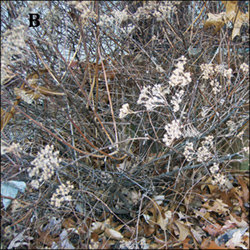
Photo A: Crossing branches on an ornamental cherry tree, invisible when in full bloom.
Evergreens rarely need pruning unless they encroach on paths or entries. Deciduous shrubs should be assessed like trees. Check for matted inner branches that block air circulation and light—thatching in the center of a dwarf spirea (Photo B) is a classic sign. Also note if the shrub's natural shape has become leggy or misshapen. Document problem areas with photos or notes for spring action.
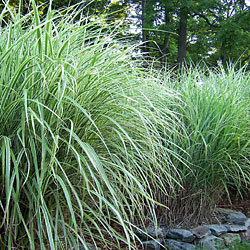
Photo B: Thatching in the center of a dwarf spirea reduces air flow.
Ornamental grasses can shift from elegant privacy screens to view-blocking masses. Small weeping trees—even dwarf varieties—often outgrow their allotted space faster than expected. A charming weeping crabapple (Photo D) may eventually overwhelm a 12-foot bed, competing with neighboring trees and shrubs. Grafted trees also produce "water sprouts" (vigorous upright shoots) that are easily spotted and pruned in winter.

Photo D: A weeping crabapple outgrowing its space in a mixed bed.
Bare beds may look forlorn, but they reveal the permanent framework—usually shrubs or woody perennials. Decide if these anchor plants still serve your design. If not, analyze why they failed and plan replacements. Winter also exposes bare soil where perennials, bulbs, or groundcovers could fill gaps. (Tip: Cut back perennials to 3 inches in fall; the stubs act as visual markers before spring growth resumes.)

Step back and view the house and outbuildings. Do trees and shrubs complement the architecture? Winter silhouettes make it easy to spot overgrown plantings that cast unwanted shade or block windows. Compare with mid-season photos—has a once-neat mountain sage grown as tall as the ninebark behind it (Photo G)? Plan corrective pruning or relocation now.
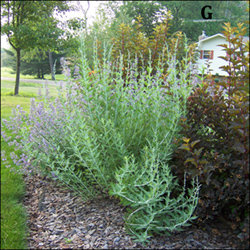
Photo G: Mountain sage overwhelming a ninebark shrub.
Even when you're stuck indoors, winter is prime planning time. Grab a hot drink, your notebook, and start sketching next season's improvements. Your garden's skeleton is talking—listen closely.
All photos: Toni Leland
What Makes Good Garden Soil? Composition, Structure, and the Nose Test
Bee Identification Guide: Species Recognition for Safe, Appropriate Management
Beneficial Garden Insects: Nature’s Pest Control Squad
Benefits of Ergonomic Garden Tools: Comfort, Safety & Durability
Concrete Waterproofing: Modern Solutions for Lasting Protection
The Language of Flowers: What Popular Blooms Really Mean
Popular Garden Ornaments: Types, Materials, and Selection Guide
Garden Bed Liner (Weed Fabric): Why It Fails in Planting Beds and Should Be Removed
Luna Moth Caterpillars on Sweetgum: Beneficial Visitors
Snakes in the Garden: Why These Reptiles Are Your Best Allies
The Country Garden: Blending with the Landscape
Using Red in the Garden: Color Theory & Design Tips
Designing with White in the Garden: Versatility, Combinations, and Night Appeal
Copyright © www.100flowers.win Botanic Garden All Rights Reserved