


Cedar chips (shavings from Juniperus virginiana and other cedars) are popular for mulching, pet bedding, and pest control—but they carry respiratory, skin, and soil risks that users should weigh.
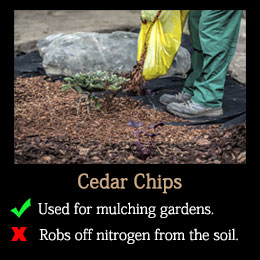
Cedar chips are affordable and versatile, but the risks—especially for pets, small animals, and nitrogen-loving plants—are significant. Consider alternatives like pine straw, hardwood mulch, or straw for gardens; paper or aspen shavings for pet bedding.
White Cottony Substance on Juniper and Cedar: Likely Beneficial Spider Webs
Cedar Planting Failures: Burlap Left On, Overwatered, Wrong Mulch
Organic Perimeter Pest Control: Keeping Bugs Out of Your Home Naturally
Pruning Cedar Bonsai: Gentle Techniques for a Slow-Healing Beauty
Tarpaulins in Sports & Camping: Field Covers, Groundsheets & Shelter
Mimosa pudica (Sensitive Plant): Traditional Uses and Medicinal Properties
Plant Growth Regulators: Uses, Benefits, and Key Compounds
Landscape Fabric Installation Guide: Weed Control Made Simple
Orris Root: The Violet-Scented Treasure in Perfumery, Cosmetics & Herbal Medicine
Top 10 Adaptogenic Herbs for Stress Resilience: Ashwagandha, Rhodiola, Holy Basil & More
Hyssop Herb: Medicinal Benefits, Culinary Uses, and Safety Notes
Copyright © www.100flowers.win Botanic Garden All Rights Reserved