

Treating Scale Insects on Plants Naturally
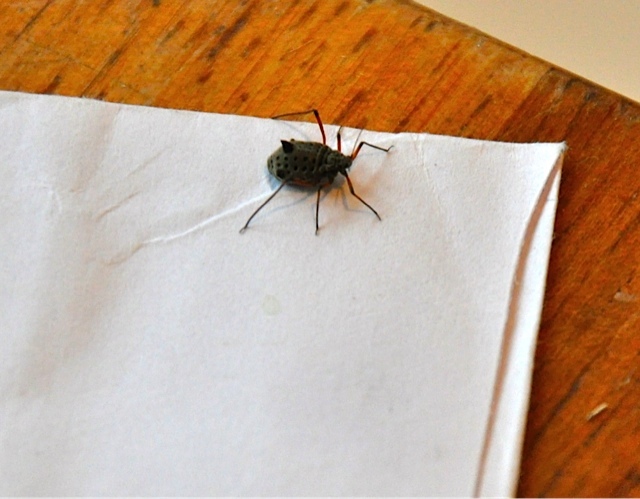
Overview Scale outbreaks often follow garden stress: over/underwatering, excess nitrogen, or pesticides that kill beneficial predators. Though tiny (1/12–1/5 inch), scales coat plants in cottony white or colored bumps. R

Best Outdoor Plants for USDA Zone 6
Overview USDA Zone 6 spans parts of the Pacific Northwest and extends eastward across the central U.S., with winter lows of –10°F to 0°F. Choose plants rated for your zone to ensure survival. Goldenrod (Solidago) Perenn
Drought-Tolerant Plants for Water-Wise Gardens
Overview Drought-tolerant (water-wise) plants survive 2–3 months without supplemental water in dry spells, conserving resources while maintaining beauty. Common Goldenrod (Solidago odora) Fast-growing perennial, 2–5 fee
Rain Garden Plants for Illinois
Overview Rain gardens are depressions that capture runoff, letting it infiltrate rather than enter storm drains. Native plants filter pollutants and recharge aquifers. Fast-growing, robust species are essential for water
Common Perennial Flowers for the Garden
Overview Perennials live for years, dying back in cold winters (roots survive) or staying evergreen in mild climates. Their longevity makes them garden staples. Hellebores (Helleborus) Winter to early spring bloom; cup-
Overview Lavenders soothing scent and bee-attracting spikes make it a garden favorite. It needs full sun and well-drained soil. Tall varieties (e.g., Jean Davis) work as hedges; low types (English lavender) edge walkways
Perennials That Bloom in July and August
Overview Perennials return yearly, but while most flower in spring, some wait for midsummer. These late bloomers are found across the U.S., some widespread, others regional. Joe-Pye Weed (Eutrochium) Tall (7–8 feet), gr
Endangered Native Plants for Conservation Gardens
Overview Plants become endangered when habitat loss, construction, wildlife pressure, or fire threaten extinction. Cultivating endangered natives in your garden helps preserve them and raises ecological awareness. Needl
Copyright © www.100flowers.win Botanic Garden All Rights Reserved